Key takeaways
- Ontario has relaunched REDI in six communities. It runs through the end of 2027, as reported on 21 October 2026.
- REDI is not a separate visa or stream. It works inside the Ontario Immigrant Nominee Program (OINP) and reserves nomination spaces for the participating communities.
- You still need to meet the requirements of an OINP stream, mainly the Ontario Workforce Priority stream, and then apply to IRCC for permanent residence.
- A job offer in a participating community does not guarantee a nomination. The province has not yet said how spaces will be shared or when invitations will start.
Ontario has relaunched its Regional Economic Development through Immigration (REDI) initiative. It is aimed at smaller communities that struggle to fill jobs, and it runs until the end of 2027. Moving2Canada reported the relaunch on 21 October 2026, citing the Ontario government.
What REDI is
REDI is meant to help smaller Ontario communities attract skilled workers who want to settle permanently. It is not a separate immigration stream. It sits inside the OINP and sets aside provincial nomination spaces for the communities that take part. It began as a three-community pilot in 2020. Reports say nearly 1,000 workers have been nominated through REDI so far, including health care and skilled trades workers.
The six communities for 2026 to 2027
- Greater Sudbury (Grand Sudbury)
- Kenora District
- Nipissing District
- Rainy River District
- Renfrew County
- Thunder Bay
Thunder Bay is the only community that carries over from the January 2025 pilot, which had four communities. Reports say communities were chosen on local labour shortages (especially in health care), cultural diversity, employer participation and their ability to support newcomers.
Who can benefit
- There is no separate REDI application. You apply under an existing OINP stream and are considered with the initiative’s regional priorities.
- The main route reported is the Ontario Workforce Priority stream, introduced in June 2026 when Ontario ended eight older OINP streams. It generally needs a permanent, full-time job offer from a qualifying Ontario employer, plus education, experience and language requirements.
- Certain self-employed physicians may qualify without a job offer.
- Nominees still apply to IRCC for permanent residence after a provincial nomination.
What this means if you are applying from India
For most applicants, REDI does not change the rules. It may help if you are open to living outside the Greater Toronto Area and have an employer in one of the six areas, particularly in health care or skilled trades. It does not replace a strong profile or a genuine job offer, and an offer does not guarantee a nomination.
- 1Check whether your occupation and job offer meet the Ontario Workforce Priority stream requirements.
- 2See whether the employer is in one of the six participating communities.
- 3Keep your language test results, education assessment and work evidence current.
- 4Do not pay anyone for a job offer or a guaranteed nomination. Genuine offers are not sold.
Is a regional Ontario route right for you?
A 30-minute call to check your profile against OINP and Express Entry options.
General information only, not advice for your situation. Rules, fees and deadlines change; we confirm what applies at your consultation.
Frequently asked questions
What is Ontario’s REDI initiative?
Which communities are in REDI for 2026 to 2027?
Is REDI a separate immigration stream?
How long does the relaunch run?
Does a job offer in one of these communities guarantee a nomination?
When will invitations start?
Official sources
- Moving2Canada — Ontario relaunches REDI immigration initiative in six communities through 2027
- Ontario.ca — Regional Economic Development through Immigration (REDI) initiative
- Ontario.ca — Ontario Immigrant Nominee Program (OINP)
General information only, current at the date shown. It is not immigration advice for your circumstances. Information on this site is general guidance only and not legal, migration or investment advice. Rules, fees and occupation lists change frequently — always confirm current requirements with the relevant government authority before acting.
Found this useful? Share it
Who will assist you
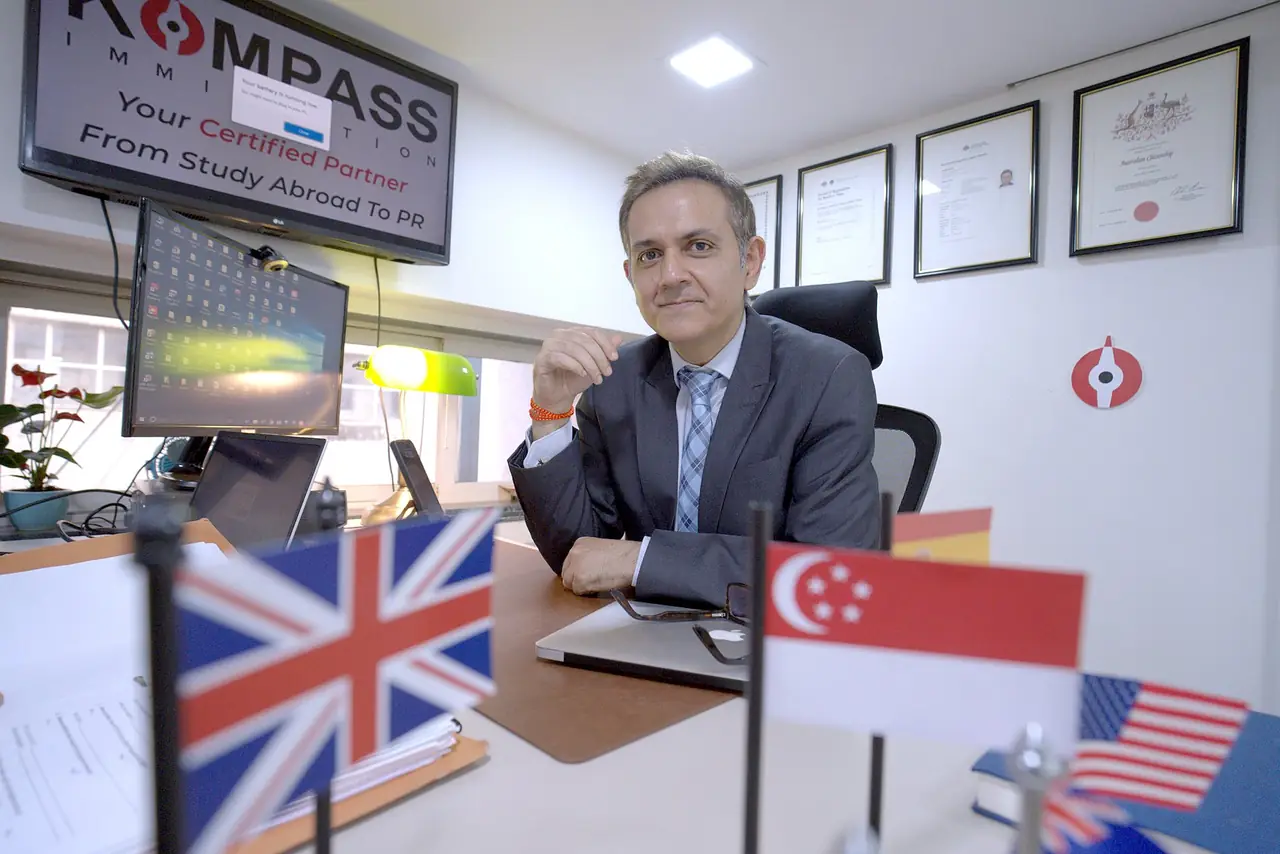
Sumit Kumar
Chartered Accountant & Australian Registered Migration Agent · MARN 1803385
I migrated from India to Melbourne as a skilled migrant in 2005 and became an Australian citizen in 2010, so I know first-hand what it takes to rebuild a career and a life in a new country — the paperwork and the waiting, and also the job search, the loneliness and the pressure of starting over far from home. Since 2013 I have advised individuals, families and businesses on migration and cross-border moves, combining migration casework with a Chartered Accountant's view of tax, funds and business structure.