
Study abroad → PR · Registered Migration Agent (MARN 1803385)
From study abroad to permanent residence.
Admissions, student visa, graduate visa and PR planned together — so the course you choose today still works five years from now.
Your journey with Kompass
- Shortlist
- Apply
- Student visa
- Graduate visa
- PR
Most consultants stop at the student visa. We plan all five steps from day one.

- students placed
- 1,100+ students placed
- years
- 13 years
- visa engagements
- 7,200+ visa engagements
Choose where you want to study — and where you could stay.
Hover or tap a card for the key facts, then open the full country guide.


Australia
Strong graduate work rights, regional incentives and a clear line from study to skilled migration. The student visa now costs A$2,500, you show A$29,710 a year for living costs, and the 485 graduate visa gives two to three years of work for most degree graduates.
Key factsAustralia
- Tuition
- Set by each provider; commonly A$30,000–A$54,000 a year (about ₹20–36 lakh)
- Funds to show
- A$29,710 a year for living costs (about ₹19.9 lakh), plus tuition and travel
- Post-study work
- Subclass 485: up to 18 months for vocational, usually 2–3 years for degrees
- Intakes
- February and July, with some November starts
- Route to PR
- 500 → 485 → 189 · 190 · 491 → PR


Canada
College and university routes with the Post-Graduation Work Permit as the bridge to permanent residence, but programme eligibility now matters more than it used to. For applications from 1 September 2026 you show C$23,448 for living costs, plus tuition and travel.
Key factsCanada
- Tuition
- Set by each institution; commonly C$20,000–C$45,000 a year (about ₹13.6–30.6 lakh)
- Funds to show
- C$23,448 a year for living costs from 1 Sept 2026 (about ₹15.9 lakh), plus tuition and travel
- Post-study work
- PGWP up to 3 years; programme, field of study and language rules apply
- Intakes
- September (main), January and May
- Route to PR
- SP → PGWP → EE · PNP → PR
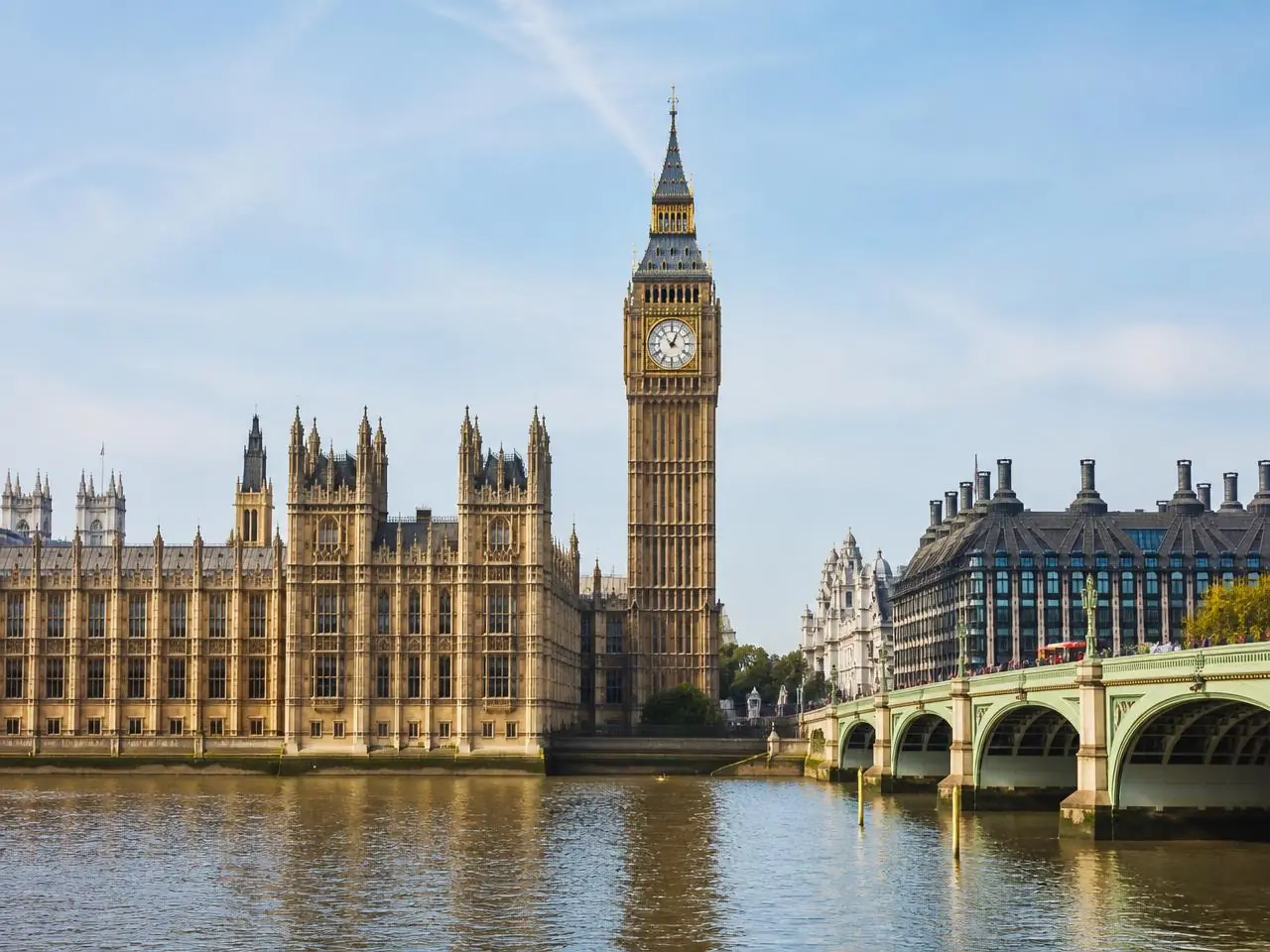

United Kingdom
One-year master's degrees, a Graduate route that lets you work after your course without a sponsor, and a clear switch into Skilled Worker jobs. The Graduate route is two years if you apply by 31 December 2026 and 18 months from 1 January 2027, so the timing of your course matters.
Key factsUnited Kingdom
- Tuition
- Set by each university; commonly £16,000–£34,000 a year (about ₹20–43 lakh)
- Funds to show
- £1,171 a month outside London, £1,529 in London, for up to 9 months, plus first-year tuition
- Post-study work
- Graduate route: 2 years if you apply by 31 Dec 2026, 18 months from 1 Jan 2027 (3 years for PhD)
- Intakes
- September (main), January and some May starts
- Route to PR
- STU → GRAD → SW → ILR


New Zealand
Smaller, calmer and cheaper to live in than Australia, with 25 hours a week of work rights and a Post Study Work Visa of up to three years. You show NZ$20,000 a year for living costs, and the residence rules changed on 24 August 2026.
Key factsNew Zealand
- Tuition
- Set by each institution; our planning range is NZ$25,000–NZ$46,000 a year (about ₹13.5–24.8 lakh)
- Funds to show
- NZ$20,000 a year for living costs (about ₹10.8 lakh), plus tuition and an onward ticket
- Post-study work
- Post Study Work Visa up to 3 years; degree level 7+ can work in any job
- Intakes
- February and July (main), with some other start dates
- Route to PR
- FPS → PSWV → SMC → Res.


Germany
Low or no tuition at most public universities, English-taught master's degrees, 18 months after graduation to find a job, and one of Europe's clearest routes from student to permanent resident.
Key factsGermany
- Tuition
- None at most public universities
- Blocked account
- €11,904 a year (2025–26 rate)
- Post-study work
- Up to 18 months to find a job
- Intakes
- Winter (October) and summer (April)
- Route to PR
- Study → Job search → Blue Card → PR


Ireland
English-speaking, EU-based and home to the European headquarters of major tech, pharma and finance firms. Tuition is set by each university, you can work 20 hours a week in term, and a master's graduate can stay up to two years to find a job.
Key factsIreland
- Tuition
- Set by each university, commonly €10,000–€30,000 a year (about ₹11–33 lakh)
- Funds to show
- €10,000 a year for living costs (about ₹10.9 lakh), plus course fees
- Post-study work
- Stamp 1G: 12 months, up to 24 after a master's
- Intakes
- September (main) and January
- Route to PR
- Stamp 2 → Stamp 1G → CSEP → Stamp 4


France
World-ranked business schools, English-taught master's programmes and a bilateral India–France mobility agreement. Public-university fees for non-EU students are €2,895 a year for a licence and €3,941 for a master's from the 2026 intake, and Indian master's graduates can stay on to work.
Key factsFrance
- Tuition
- Public universities: €2,895 (licence) or €3,941 (master's) a year, about ₹3.2 or ₹4.3 lakh
- Funds to show
- €877.50 a month from 1 August 2026, about ₹95,600 a month
- Post-study work
- 12-month job-search permit, with a further 12 possible for Indian master's graduates under the India–France agreement
- Intakes
- September (main); some January or February starts
- Route to PR
- VLS-TS → APS → Talent → Resident


Italy
Some of Europe's lowest public-university costs, income-linked fees, regional scholarships and strong design, engineering and business schools. You pre-enrol on Universitaly, show €10,179.85 for the year, work up to 20 hours a week, and can stay 12 months after graduating to find a job.
Key factsItaly
- Tuition
- Set by each university; roughly €1,500–€4,000 a year at many public universities (about ₹1.6–4.4 lakh)
- Funds to show
- €10,179.85 a year for 2026/27, about ₹11.1 lakh
- Post-study work
- 12 months to look for work, then convert to a work permit
- Intakes
- September or October (some February); national visa cut-off 31 October 2027 for 2027/28
- Route to PR
- Type D → Job search → Work → EU LTR


Netherlands
Europe's most international classrooms, research-led universities and a 12-month orientation year that leads into highly skilled migrant jobs. Indian students pay institutional tuition, commonly €9,000–€30,000 a year, and housing needs planning from the day you get an offer.
Key factsNetherlands
- Tuition
- About €9,000–€20,000 (bachelor's) or €12,000–€30,000 (master's) a year, roughly ₹9.8–21.8 lakh or ₹13.1–32.7 lakh
- Funds to show
- €1,130.77 a month in 2026, about ₹1.23 lakh, plus tuition
- Post-study work
- Orientation year: 12 months, with free work rights
- Intakes
- September (main) and February (some programmes)
- Route to PR
- MVV → Zoekjaar → HSM → PR


Switzerland
World-leading universities and hospitality schools, high graduate salaries and some of Europe's highest living costs. Funds of about CHF 21,000 a year are required in Zurich, EPFL now charges foreign students CHF 2,190 a semester, and graduates get six months to look for work.
Key factsSwitzerland
- Tuition
- EPFL: CHF 2,190 a semester for foreign students (about ₹2.5 lakh); other public universities lower, private schools far higher
- Funds to show
- CHF 21,000 a year in Zurich (about ₹24.4 lakh); each canton sets its own
- Post-study work
- 6 months to look for work, not extendable
- Intakes
- September (main) and February (some programmes)
- Route to PR
- D visa → 6 months → B permit → C permit


Singapore
Top-ranked universities close to home, a safe English-speaking city and a direct line into regional careers. Singapore has no post-study work visa, so planning the job search and Employment Pass salary matters from the first year.
Key factsSingapore
- Tuition
- Set by each institution; our planning range is S$25,000–S$55,000 a year for degrees (about ₹18.8–41 lakh), lower with the Tuition Grant
- Funds to show
- No fixed amount; the institution and ICA may ask for proof you can meet fees and living costs
- Post-study work
- No post-study work visa; a Long-Term Visit Pass of up to 1 year to job-hunt, then an Employment Pass
- Intakes
- August for most universities; other months at some institutions and private schools
- Route to PR
- STP → LTVP → EP → PR


United States
The widest choice of programmes and research funding, with OPT and STEM OPT giving up to three years of post-study work in eligible fields. US rules are also changing fast, so we check the latest position on fees, OPT and H-1B before you commit.
Key factsUnited States
- Tuition
- Set by each university; our planning range is US$25,000–US$60,000 a year (about ₹24–58 lakh), with funding changing the real cost
- Funds to show
- The full first-year cost on your university's I-20, which includes tuition and living costs
- Post-study work
- OPT 12 months, plus 24 months more with a STEM-designated degree; rules are under review
- Intakes
- Fall (August–September) and Spring (January); some universities also start in summer
- Route to PR
- F-1 → OPT → STEM OPT → H-1B
Compare countries
Still deciding between countries?
Side-by-side costs in rupees, work rights, post-study visas and the route to PR.
Scholarships
Scholarships Indian students can actually get
Government awards, university discounts and income-based grants for the UK and Europe, with rupee values and 2027 deadlines.
Admissions and the visa, as one file.
One team from offer letter to PR, so your story never contradicts itself.
- Course & country matchChosen on work rights and PR, not brochures.
- AdmissionsApplications, scholarships and offers compared.
- Test planningIELTS, PTE, TOEFL, Duolingo, GRE, GMAT.
- Student visaSOP, funds and forms as one consistent file.
- Funds & loansChecked by a Chartered Accountant before lodging.
- ArrivalStay, insurance, forex, SIM and pickup arranged.
Everything around the offer letter, handled.
One team for the things students usually juggle alone — arranged through vetted providers, and planned around your PR goal.
- Accommodation
- Health cover & insurance
- Forex & remittance
- Education loans

- Scholarships
- IELTS / PTE / TOEFL
- Bank account & SIM
- Airport pickup
- PR planning
How we help, step by step.
Every engagement runs the same way, so you always know what comes next.
Step 1
Profile evaluation
Academics, gaps, scores and budget reviewed first.
Step 2
Shortlist & counselling
6–10 realistic options across 2–3 countries.
Step 3
SOP, LOR & documents
Drafted, reviewed and filed with each application.
Step 4
Offers & decisions
Compared on total cost, work rights and PR route.
Step 5
Visa file
Enrolment, funds, health cover and visa lodged together.
Step 6
Departure & landing
Briefing, arrival support and first-month compliance.
Plan around the intake, not the deadline.
January / February
Main Australian and New Zealand intake; UK and Canada January entry.
May
Smaller Canadian and UK intake with less competition for places.
July
Second major Australian intake; strong course availability.
September
Primary UK, Ireland, Europe and Canada intake.
Tell us where you want to be.
Send your details and we will come back with a realistic shortlist, a full first-year cost and the likely route to PR.
Prefer a set time? Book a consultation · Mon–Sat, 10am–7pm IST
Study abroad questions
When should I start?
Do backlogs or a study gap disqualify me?
How much does studying abroad cost?
Are scholarships realistic?
Can I work while studying?
Do you handle the visa as well as the admission?
Let's map your global pathway
A first consultation covers eligibility, realistic timelines, total cost and the tax consequences of the move. You leave with a written plan, not a brochure.