Key takeaways
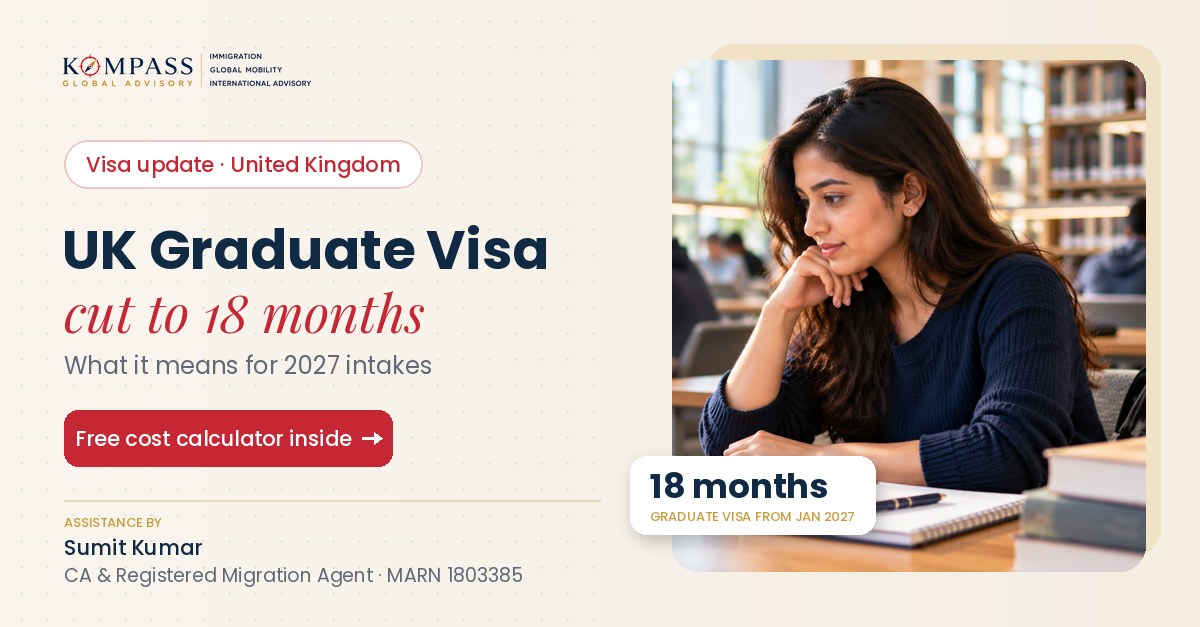
- Graduate visas applied for from 1 January 2027 last 18 months for bachelor's and master's graduates, down from two years.
- PhD graduates keep up to three years.
- Most students starting a one-year master's in 2026 or 2027 will fall under the 18-month rule.
- The UK is still open: the change shortens your job-search window, so the plan for work has to start in your first term, not after graduation.
The UK Graduate route lets international students stay and work after their degree without a job offer or sponsor. It has been one of the main reasons Indian students choose a one-year UK master's. From 1 January 2027 it becomes shorter.
What exactly is changing
| Who | Applying before 1 January 2027 | Applying from 1 January 2027 |
|---|---|---|
| Bachelor's and master's graduates | 2 years | 18 months |
| PhD and other doctoral graduates | 3 years | 3 years |
The date that matters is when you apply for the Graduate visa, not when you started your course. You can only apply after your university confirms you have completed the course, and while you are still in the UK on your Student visa.
What it means for a one-year UK master's
A typical September intake now looks like this: about 12 months of study, then 18 months of Graduate visa. That is roughly two and a half years in the UK in total. To stay longer you need to move to a Skilled Worker visa, which needs an employer licensed to sponsor you and a job that meets the salary and skill rules.
- Your time to find a sponsoring employer is six months shorter than before.
- Graduate visas cannot be extended, so the switch to a work visa has to happen inside those 18 months.
- Courses that lead to roles employers already sponsor (engineering, data, health, finance, some business roles) give you the best odds.
Is the UK still worth it?
For many students, yes. The UK remains open to Indian students, a master's still takes one year instead of two, and 18 months is still a meaningful work period. Graduates of the world's top universities can also look at the High Potential Individual route, which the UK has expanded. The difference is that the UK now rewards students who plan for work from day one.
What to do now
- 1Choose your course for the job it leads to, not only the university's ranking. Check whether UK employers in that field sponsor visas.
- 2Start building your CV, internships and LinkedIn from your first term, not after your dissertation.
- 3Budget for the whole period: tuition, living costs for the year of study, and enough savings to support yourself while you look for work.
- 4If you would finish in late 2026, plan your Graduate visa application so you can apply before 1 January 2027.
- 5Compare the UK with destinations that offer longer post-study work, such as Germany (18 months to find a job, with a clear route to permanent residence) and Ireland (up to two years for master's graduates).
Work out your total cost first
See tuition, living costs and visa charges for your city in rupees before you choose.
General information only, not advice for your situation. Rules and fees change; we confirm what applies to your intake at your consultation.
Frequently asked questions
When does the UK Graduate visa become 18 months?
I start my UK master's in 2026. Will I get two years?
Can I extend the Graduate visa?
Do I need a job offer for the Graduate visa?
Can I bring my spouse on a UK student visa for a master's?
Can I work while studying in the UK?
What visa comes after the Graduate visa?
Is a one-year UK master's still worth it for Indian students?
Official sources
General information only, current at the date shown. It is not immigration advice for your circumstances. Information on this site is general guidance only and not legal, migration or investment advice. Rules, fees and occupation lists change frequently — always confirm current requirements with the relevant government authority before acting.
Found this useful? Share it
Who will assist you
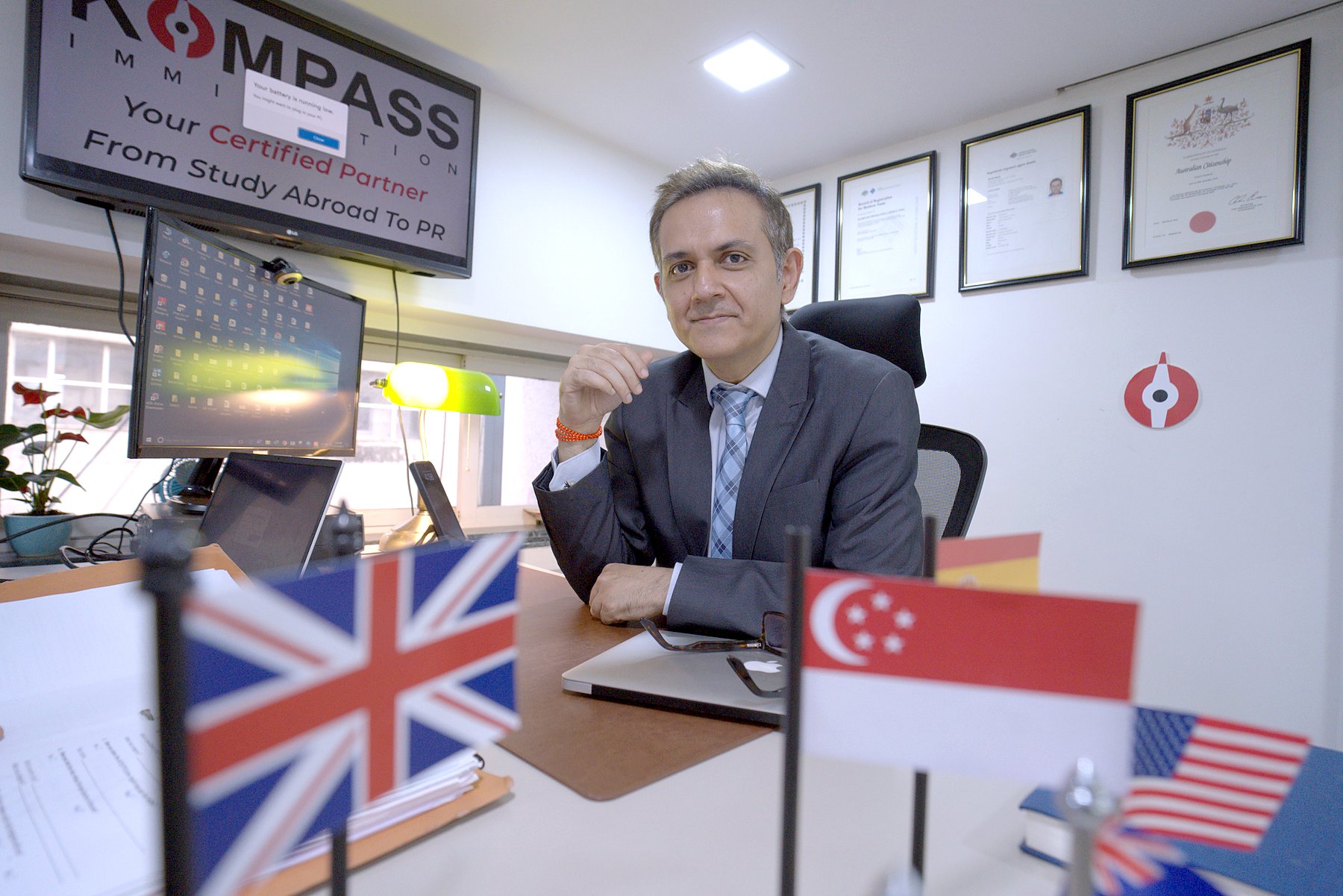
Sumit Kumar
Chartered Accountant & Australian Registered Migration Agent · MARN 1803385
I migrated from India to Melbourne as a skilled migrant in 2005 and became an Australian citizen in 2010, so I know first-hand what it takes to rebuild a career and a life in a new country — the paperwork and the waiting, and also the job search, the loneliness and the pressure of starting over far from home. Since 2013 I have advised individuals, families and businesses on migration and cross-border moves, combining migration casework with a Chartered Accountant's view of tax, funds and business structure.